• 9830405980
  • cwai.kolkata@gmail.com
  • Country Women’s Association of India
CWAI CWAI
Feedback
  • Home
  • About Us
    • Our Journey
    • Our Governance
    • Our AIMS
    • Our Family
  • Get Involved
    • Become a Sponsor / Donor
    • Become a Member
  • Projects / Services
    • Educational
    • Social and Cultural Initiatives
    • Fund Raisers
    • Annual Conference
  • Gallery
    • Recent Album
    • Archives Album
  • Sponsorship
  • Contact Us

Archives Album

Exhibition cum sale 2025

gallery grid image
gallery grid image
gallery grid image
gallery grid image
gallery grid image

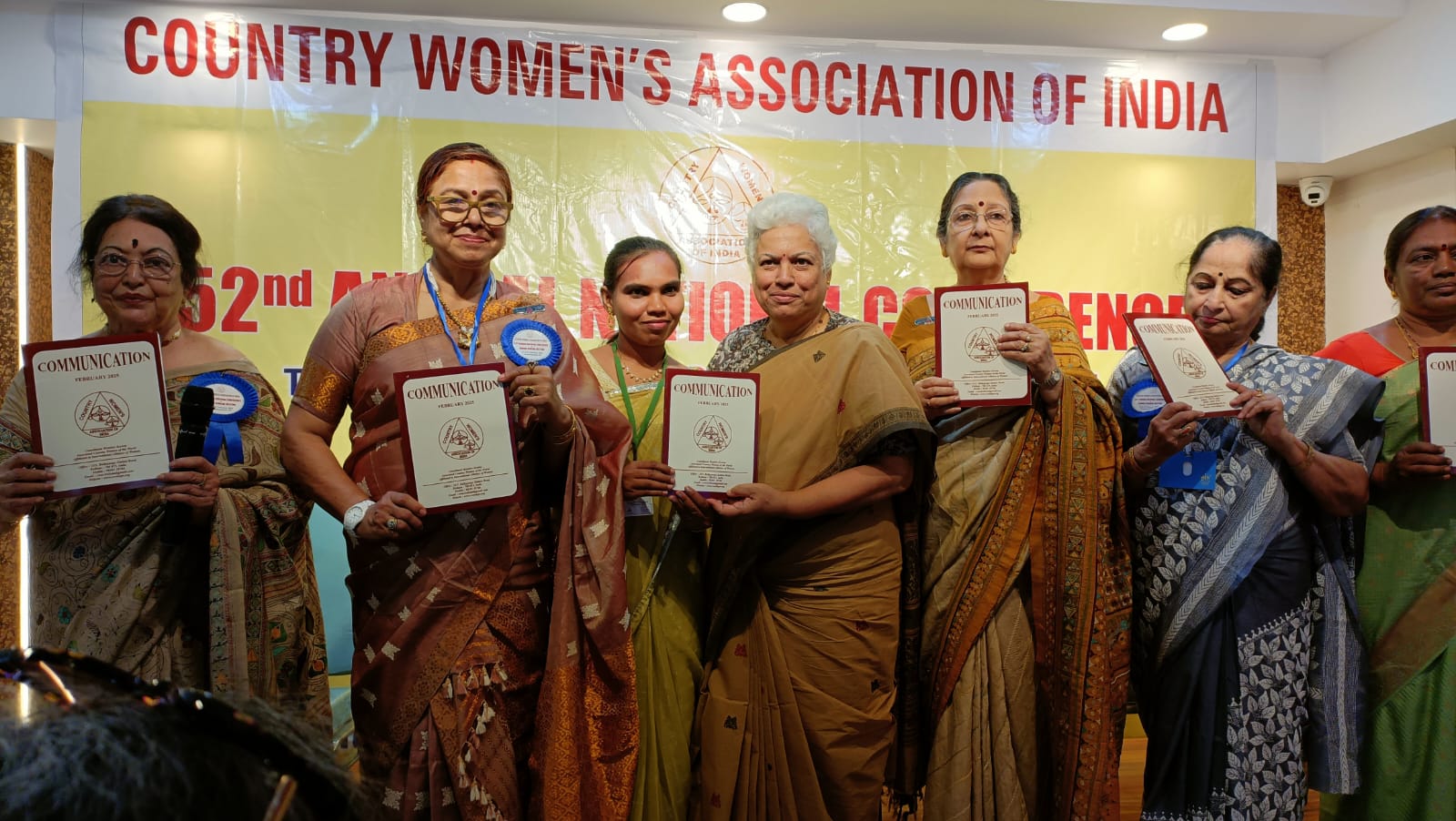
National Conference 2025 at Vizag​

gallery grid image
gallery grid image
gallery grid image
gallery grid image
gallery grid image
gallery grid image
gallery grid image

Golden Jubilee anniversary celebration

gallery grid image
gallery grid image
gallery grid image
gallery grid image
gallery grid image
gallery grid image
gallery grid image
gallery grid image
gallery grid image
gallery grid image
gallery grid image
gallery grid image
gallery grid image
gallery grid image
gallery grid image
gallery grid image
gallery grid image
gallery grid image
gallery grid image

Keoradanga School, kolkata, Rabindra Jayanti.

gallery grid image
gallery grid image

49th Annual General Meeting.

gallery grid image
gallery grid image
gallery grid image

Mental health Awareness seminar

gallery grid image
gallery grid image
gallery grid image
gallery grid image

Panjabari Unit added to OUR CWAI FAMILY

gallery grid image
gallery grid image

Conference held in Kolkata 2017

gallery grid image
gallery grid image

Exhibition held on 5th and 6th April at Nari Seva sangha. Kolkata Unit.

gallery grid image
gallery grid image

©2026. Country Women's Association of India. All Rights Reserved.

Good examples turn abstract instructions into decisions that readers can evaluate, which is why they remain central to teaching, product design, public policy, and technical documentation. A strong illustration does more than repeat a rule: it identifies the relevant conditions, shows the process in sequence, and makes clear why one outcome follows from another. In classroom assessment, a short test built around a realistic case measures whether students can transfer a principle to new facts rather than merely recall its definition. The surrounding explanation should then distinguish essential details from distracting ones, since learners often mistake familiar wording for genuine understanding. Comparisons are especially effective when they place a successful approach beside a plausible but flawed alternative and explain the difference without oversimplifying it. Used with restraint, concrete illustrations improve clarity while leaving enough complexity for readers to apply the underlying idea independently.